How Childhood Trauma Shapes Adult Behavior
Childhood is the foundation upon which our emotional, psychological, and behavioral patterns are built. When that foundation is disrupted by trauma—whether through neglect, bullying, emotional abuse, or instability—the effects can echo well into adulthood in ways many people don’t immediately recognize.
What Is Childhood Trauma?
Childhood trauma isn’t limited to extreme events. While physical abuse or severe neglect are obvious examples, trauma can also stem from experiences like persistent bullying, emotional invalidation, social isolation, or growing up feeling unseen or unsafe. For children, especially those who lack support systems, these experiences can deeply shape how they view themselves and the world.
Trauma and Emotional Regulation
One of the most common long-term effects of childhood trauma is difficulty managing emotions. Adults who experienced trauma early in life may struggle with anger, anxiety, shame, or emotional numbness. This isn’t a character flaw—it’s often a survival response learned during childhood, when emotional control felt necessary for safety.
Impact on Relationships
Trauma can significantly affect how adults form and maintain relationships. Some people develop a deep fear of abandonment, while others keep emotional distance to protect themselves from being hurt again. Trust issues, people-pleasing tendencies, or controlling behaviors often have roots in early experiences where trust felt unsafe or conditional.
Power, Control, and Identity
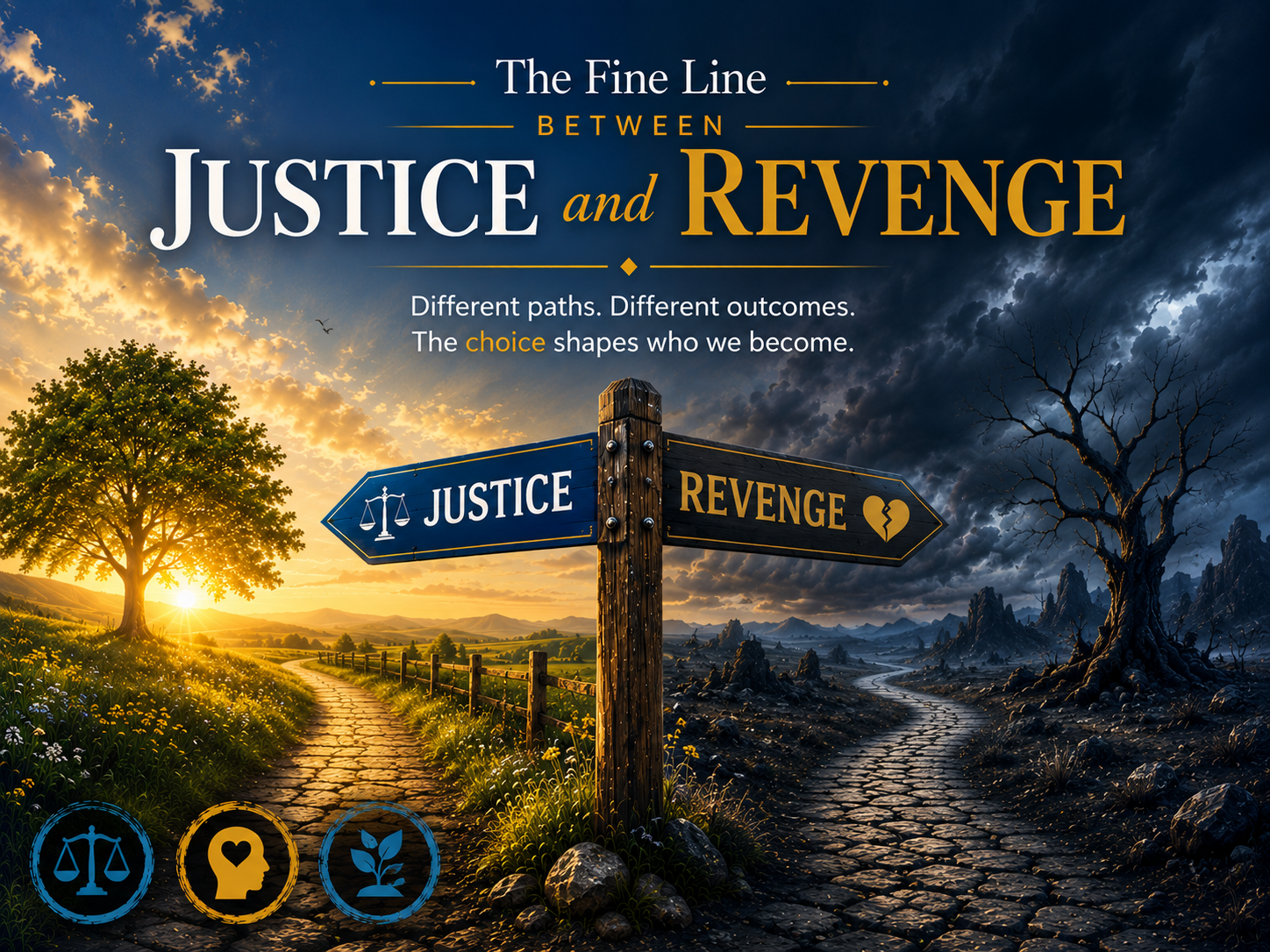
For some, unresolved childhood trauma manifests as a need for control or power in adulthood. When a child feels powerless for too long, they may grow into adults who seek dominance, validation, or success as a way to rewrite their story. While ambition can be healthy, it can also mask unresolved pain if driven by fear rather than purpose.
The Role of Self-Awareness and Healing
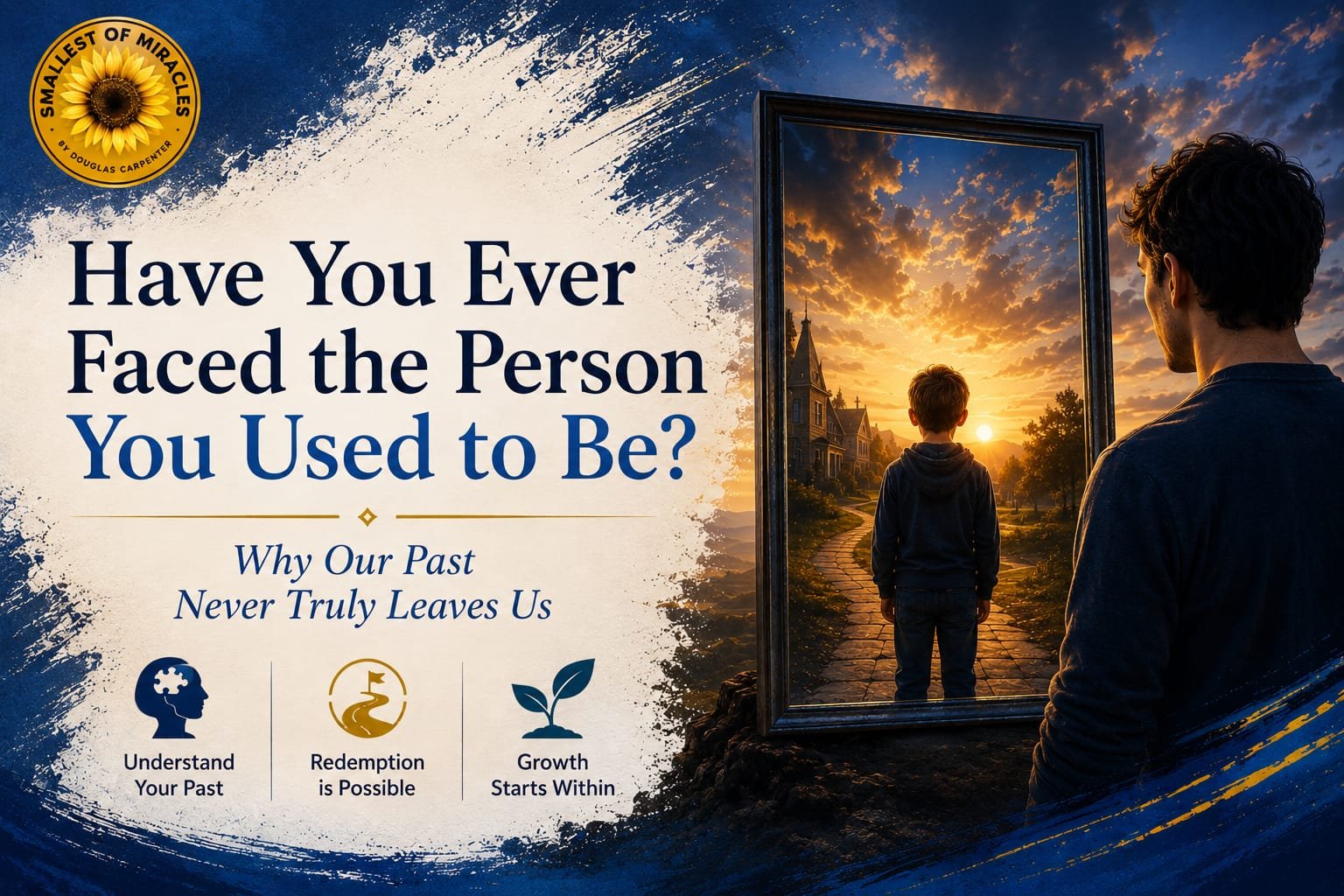
The good news is that trauma does not define a person’s future. Awareness is the first step toward healing. Therapy, self-reflection, and supportive relationships can help individuals identify patterns shaped by trauma and choose healthier responses. Healing doesn’t erase the past—but it can transform its influence.
Moving Forward
Understanding how childhood trauma shapes adult behavior allows for greater compassion—for ourselves and others. It reminds us that many adult struggles are not failures, but adaptations formed long ago. With honesty, accountability, and support, it’s possible to break cycles and create a more grounded, authentic life.
Sometimes, the smallest acts of awareness and courage can lead to the most meaningful change.